Quality Assured, Industry-Proven, and Ready for You
Our products meet international quality standards with rigorous testing and certification processes.
Continuous innovation drives our product development, ensuring cutting-edge chemical solutions.
Our skilled professionals provide technical expertise and personalized support for every client.
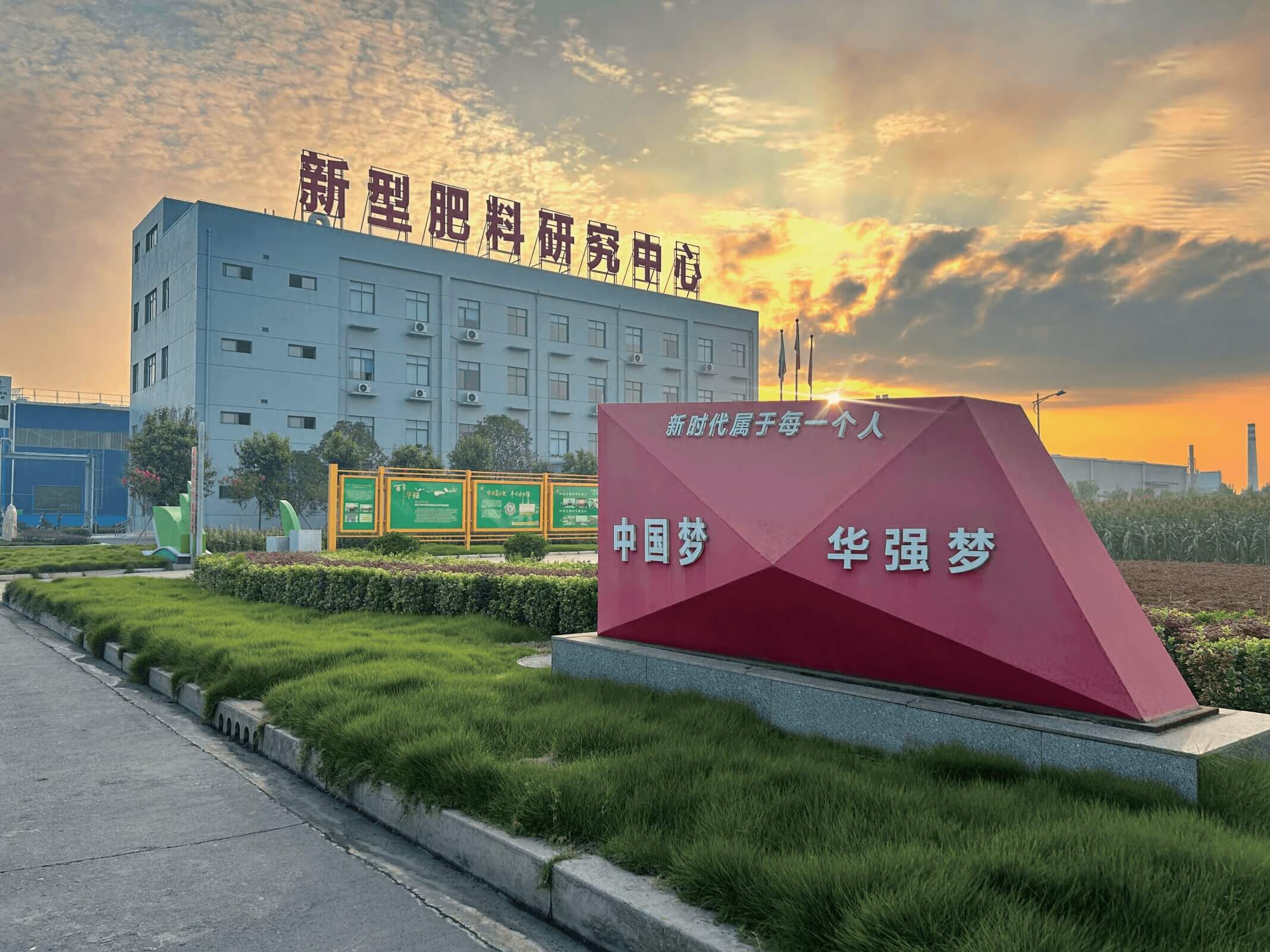
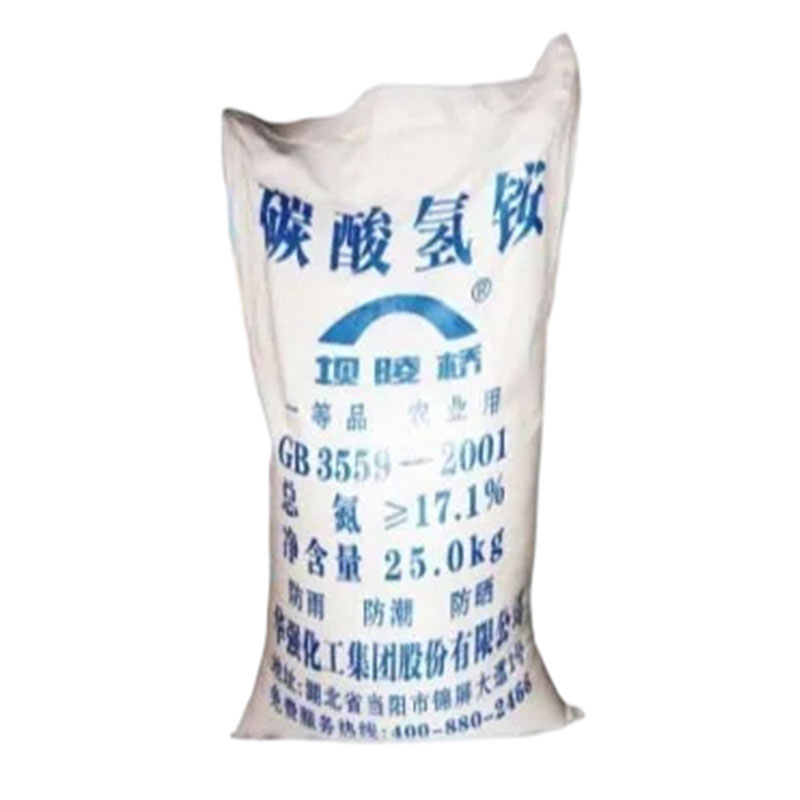
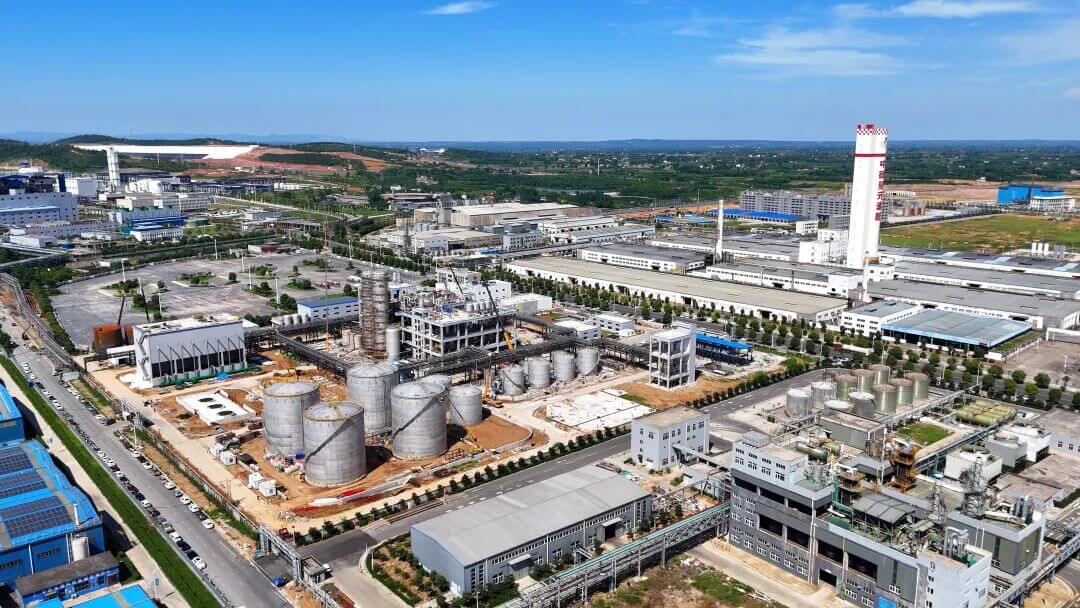
Huaqiang Chemical Group Stock Co., Ltd. was founded in 1970 and reached a strategic joint venture with Jinneng Holding Equipment Manufacturing Group (formerly Shanxi Jincheng Coal Industry Group) in 2009. With more than 50 years of development, the company now has fixed assets of 10 billion yuan, 3,000 employees and an annual output value exceeding 10 billion yuan. It governs 10 subsidiaries and branches, with products covering five major sectors including chemical fertilizers, fine chemicals, thermoelectricity, plastic products and new chemical wear-resistant materials.As a national high-tech enterprise, the company owns the Hubei Provincial Enterprise Technology Center, Hubei Provincial Enterprise-University Joint Innovation Center for Bio-organic Fertilizers and Yichang Key Laboratory of Bio-organic Fertilizers, with nearly 300 authorized national patents. It is listed among China Top 500 Chemical Enterprises, China Top 100 Fertilizer Enterprises, China Top 100 Phosphate and Compound Fertilizer Enterprises, Hubei Top 100 Private Enterprises and Yichang Top 50 Private Enterprises. Besides, it has obtained certifications for international quality management system, environmental management system and occupational health and safety management system.Adhering to the business principle of "based on fertilizers, coordinated development of fertilizers and chemicals", the company has formed a "one body with two wings" development pattern relying on existing industrial foundation and geographical advantages, taking fertilizer and chemical industries as the main body, and energy power and intelligent logistics as two supporting wings. In the future, it will promote industrial transformation, upgrading and technological innovation. It will realize vertical extension and horizontal coupling of phosphorus, sulfur and fluorine chemical industrial chains to supplement, extend and strengthen industrial chains, advance the intelligent, high-end and green development of chemical industry, consolidate foundations for long-term corporate development, and contribute to the construction of provincial strategic pivot and national top 100 county development. Mobile: +8615380400285E-mail: sales2@liwei-chem.comWebsite: www.huaqiang-group.com
Read More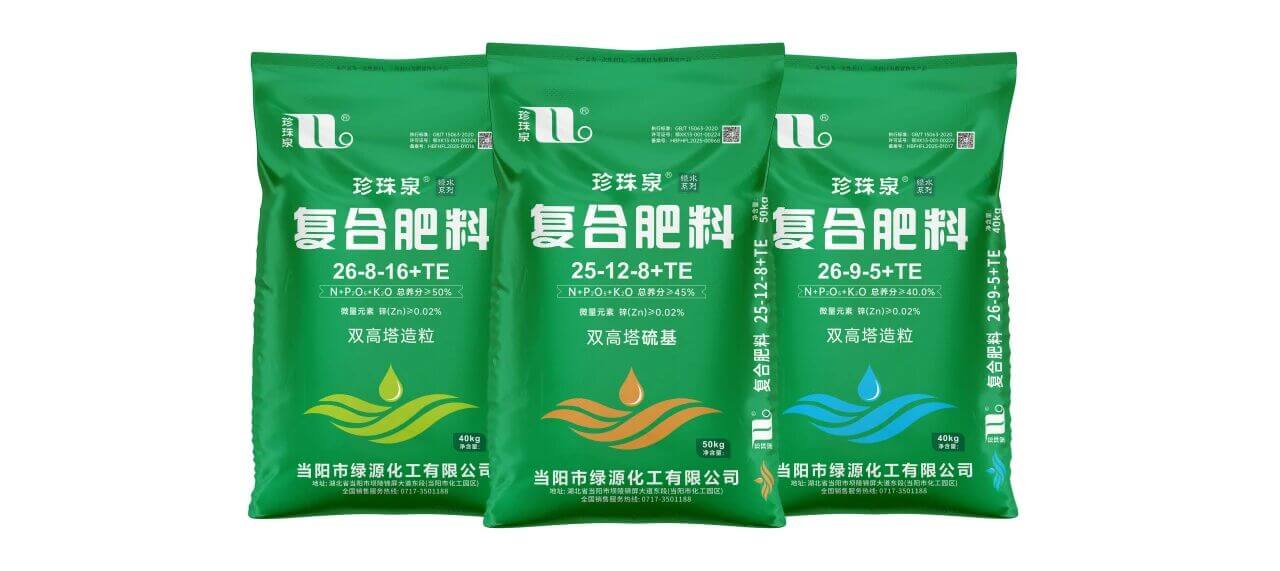
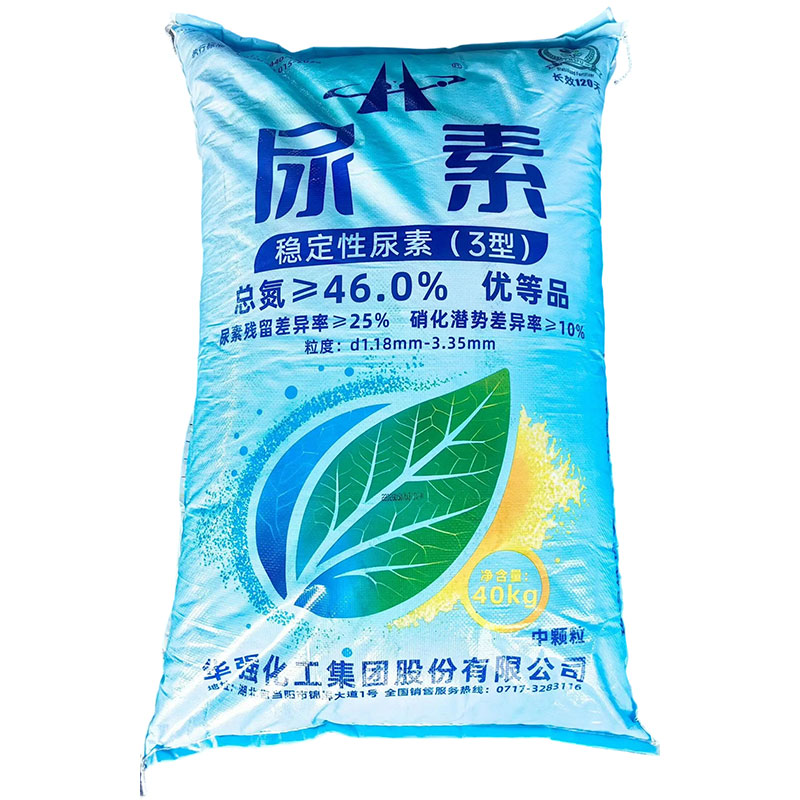
Years of standing over reactors, each batch set for exacting purity and consistent granule size, form the backbone of our work at Huaqiang. We’ve come to see that for most farmers, spring means a race against the clock. It’s not about abstract efficiency or textbook purity targets. What matters is that every bag of Pearl Spring urea delivers real results—fields that green up fast, crops that grow strong, and application that fits right into their regular routines without fuss. Unlike run-of-the-mill fertilizer, Pearl Spring grade is crafted so impurities like biuret and heavy metals stay at minimum levels, because excesses there can slow crop development and stress delicate young roots. Our process narrows in on crystal clarity and chemical cleanliness, factors growers might only notice at harvest when yields climb and the soil shows no residue. Years of customer feedback push us to improve grain hardness, so urea resists caking in humid sheds and flows evenly from spreaders, with no wasted product or risk of clumping that leads to uneven coverage. Unless you’ve walked a field after a hailstorm or drought, it can be tough to appreciate how important a clean, easy-to-absorb nitrogen boost is to early recovery and full yield potential. High-purity urea isn’t an abstract lab achievement. Our experience tells us that contaminants, even in trace amounts, disrupt soil chemistry and put unnecessary pressure on beneficial microbes. In low-light or high-moisture conditions, excess biuret can linger, stunting new shoots and delaying stand uniformity. We refine our synthesis routes to produce urea with as little biuret and dust as possible, batch after batch. Routine inspections, advanced filtration, and effective cooling control mean that Pearl Spring isn’t just about numbers on a spec sheet. Out in the field, high-purity product shortens the time between top-dressing and visible crop response. Plants absorb the nitrogen efficiently, turning sunlight into fresh leaf growth, and helping farmers meet their targets season after season. A lot of companies claim to deliver superior results, but factory tours and international trade visits have shown how rare true attention to process detail is in this business. Direct oversight at every step—from ammonia production to final prilling—means we see firsthand what affects final product quality. Small cut corners in production might never show up in marketing brochures, but they lead to brittle grains or unintentional impurities that sap farm performance. Many in our industry treat high-purity urea as a niche option reserved for specialty crops or export. From years in the production trenches, I can say with confidence that what lifts Pearl Spring above commodity grades isn’t just purity for purity’s sake. Families staking livelihoods on their land rely on fertilizer that blends smoothly, stays stable in storage, and responds to the unpredictable swings of early spring weather. We don’t add surface coatings or rely on gimmicks—just carefully controlled nitrogen content and tight impurity control. Farmers worry about regulatory changes almost as much as they focus on rainfall and input prices. New rules around nitrate runoff or the global push for carbon footprint reductions put the spotlight on what’s really inside every ton of fertilizer. Our role as manufacturer sits at the intersection of production technology and environmental responsibility. We keep tight control on emissions at every point—using modern scrubbing and water recycling in prilling towers, sticking to energy sources that meet lower emissions targets, and always pushing for new catalytic improvements. On the product side, cleaner urea means less excess nitrogen needs to be spread. That’s not just marketing: field trials and customer records show that high-purity urea cuts down on application frequency because uptake is quicker and less prone to volatilization losses. Soil tests before and after harvest back this up, helping farmers meet strict limits on leaching. Precision agriculture tools pick up the difference. Satellite maps from test plots show how faster absorption leads to tighter growth curves, supporting both productivity and new sustainability commitments. From the earliest days at the plant, equipment maintenance and workforce training have always been critical to delivering repeatable, high-standard product. Urea production, at large volumes, puts every weld and pipe under strain. Routine shutdowns for inspection are planned months in advance. The test results from every batch are logged, tracked, and compared to years of historical data. Small inconsistencies don’t go unnoticed. Our engineers analyze every deviation in the numbers and physically inspect the lines and crystallizers when performance dips. The commitment to producing only high-purity urea means rejecting entire lots that fail to meet the bar, a costly but necessary measure. Every worker on the line knows what Pearl Spring means on the market—that reputation drives careful action at every shift change. Downtime gets compressed, process water gets recycled, and safety checks get doubled rather than skipped. This is the sort of discipline customers rarely see, but it is what keeps the Pearl Spring label trusted year after year. In our history, honesty about production strengths and challenges has built stronger partnerships with farming co-ops and major growers. We invite technical staff, agronomists, and purchasing managers to see the plant, examine test data, and review new process automation. We share year-on-year batch purity trends and open-source any issues that came up during particularly challenging periods, whether it’s a feedstock price spike or an unexpected shutdown upstream. Customers trust us not because of grandiose claims, but because they can trace every production lot right back to its run day and operator notes. We take every report of caking, clumping, or slow crop response seriously—production protocols are updated; raw materials get re-evaluated. In an industry filled with rebranded products and confusing marketing, our own factory name and standards underpin every unit shipped. True value in fertilizer production goes beyond chemical composition. By investing in real-world performance trials, we see how plant-available nitrogen carries through every phase of growth, not just at the immediate post-application window. We track the weather patterns and local pest pressures that shape how well urea works each year. This feedback loop lets us adjust process variables, storage recommendations, and logistical planning to minimize losses and keep the supply chain direct. Pearl Spring urea keeps winning loyalty because every decision, from ammonia selection to bagging, is made with the farmer’s season in mind. Grain shippers and millers demand high protein; our customers need clean nitrogen to meet those standards. Storage co-ops want pellets that handle well, no matter how long they sit in stock. By staying focused on performance, transparency, and continuous process improvement, Huaqiang offers real solutions—not just another commodity input—to keep fields productive and customers ahead of shifting demands. Mobile: +8615380400285E-mail: sales2@liwei-chem.comWebsite: www.huaqiang-group.com
Read More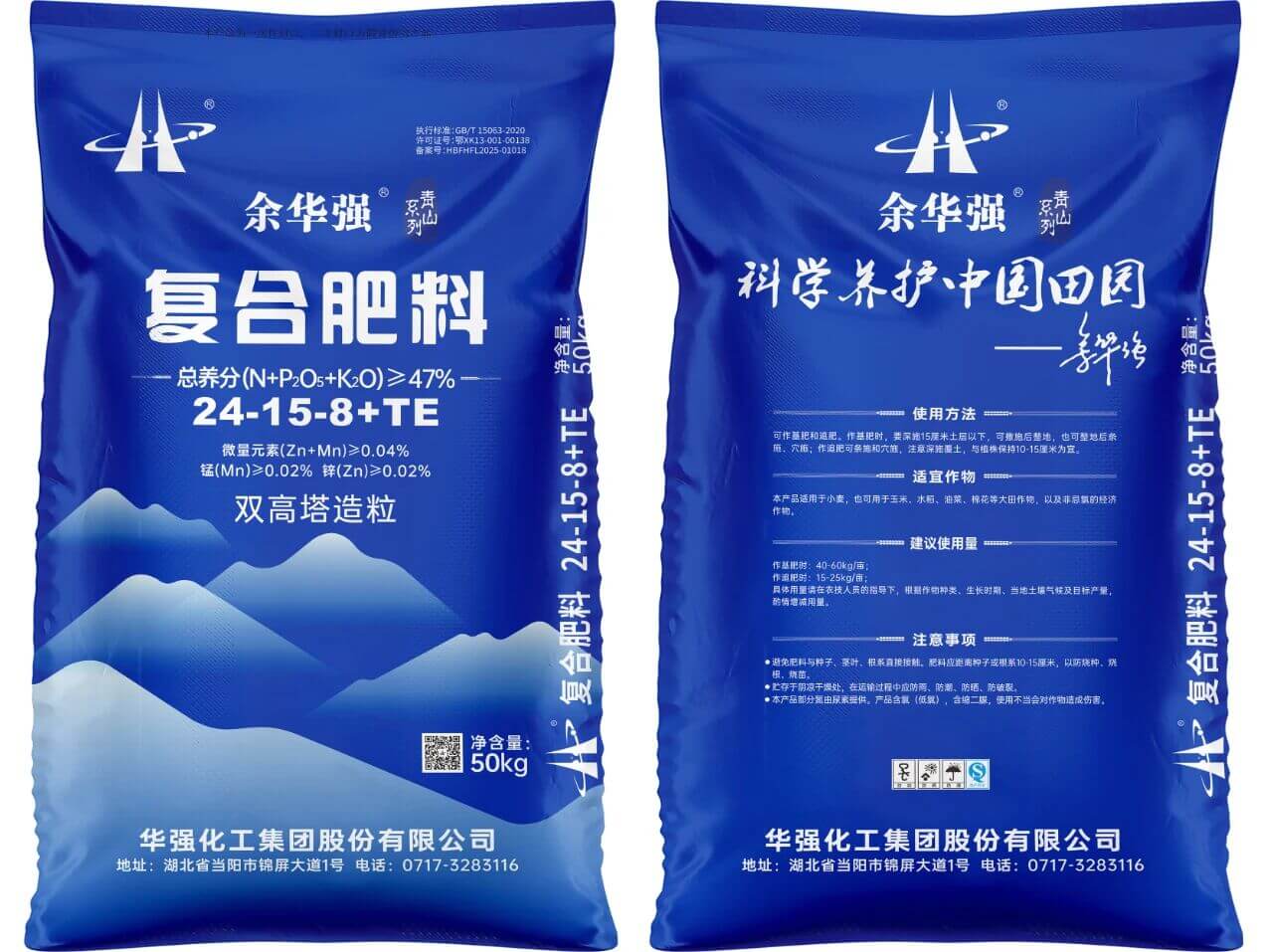
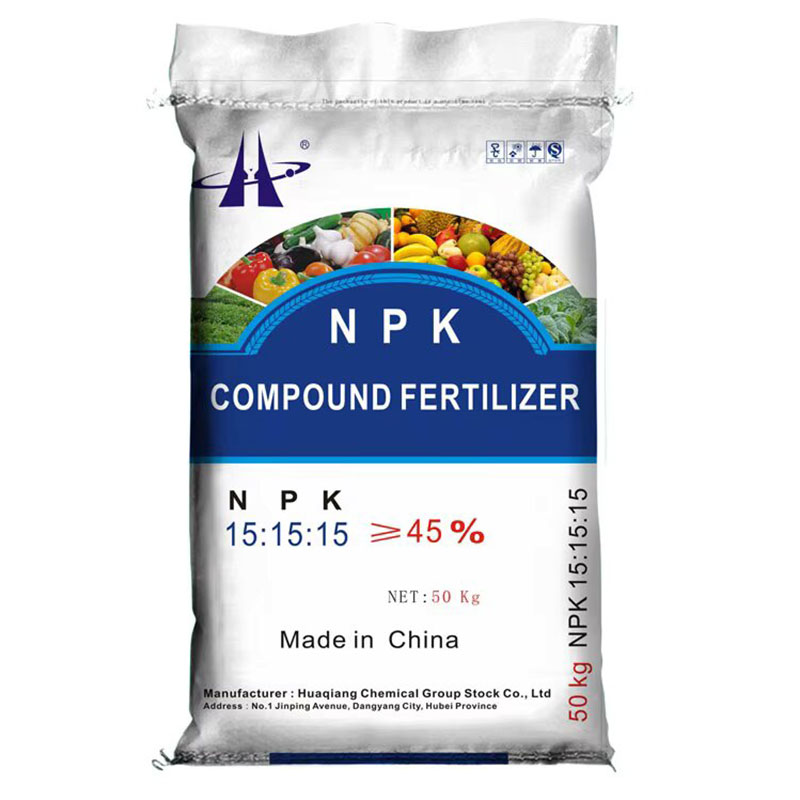
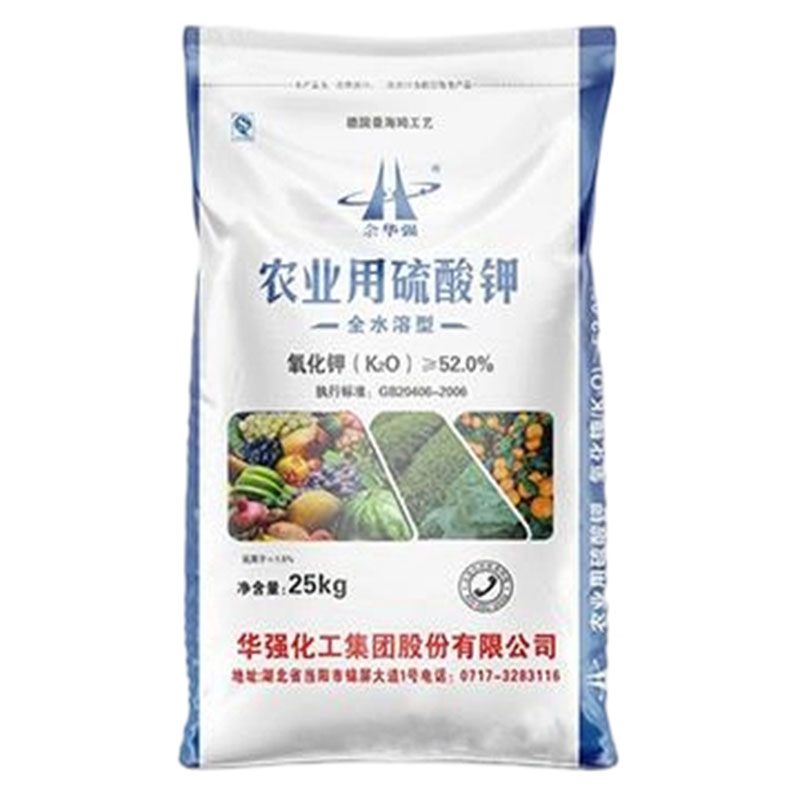
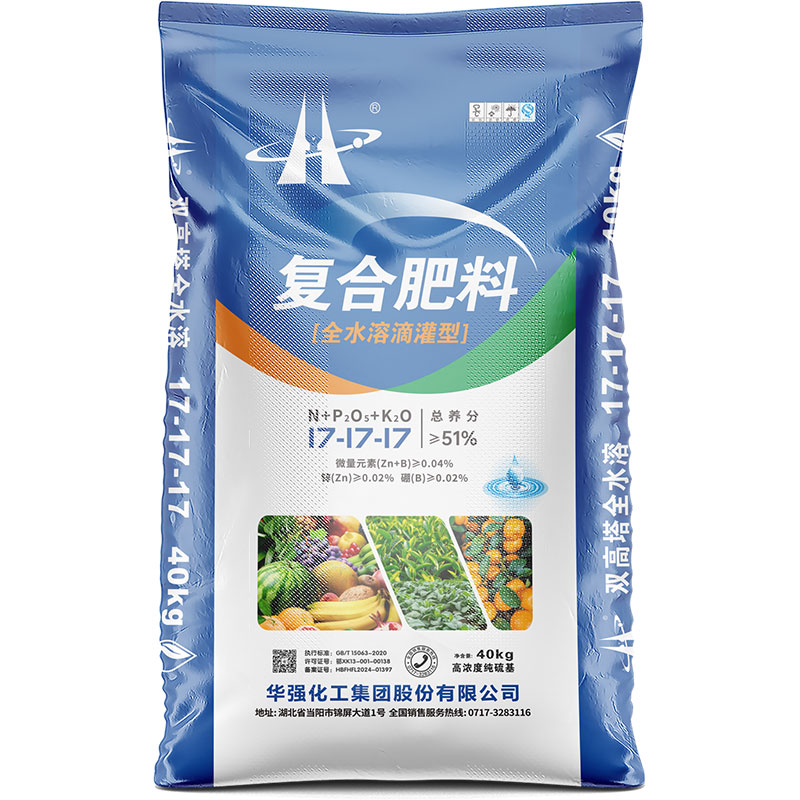
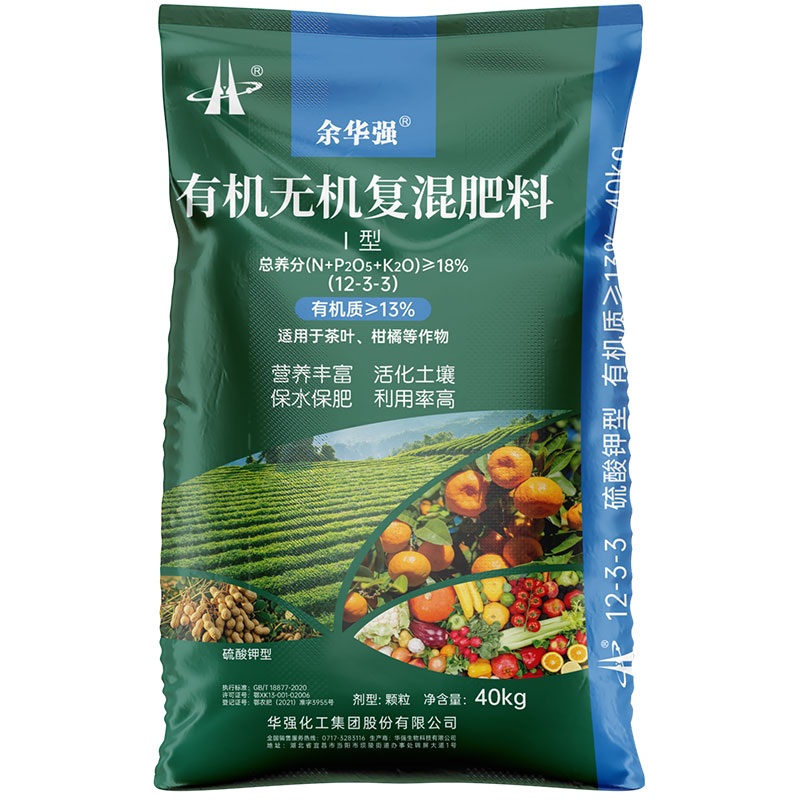
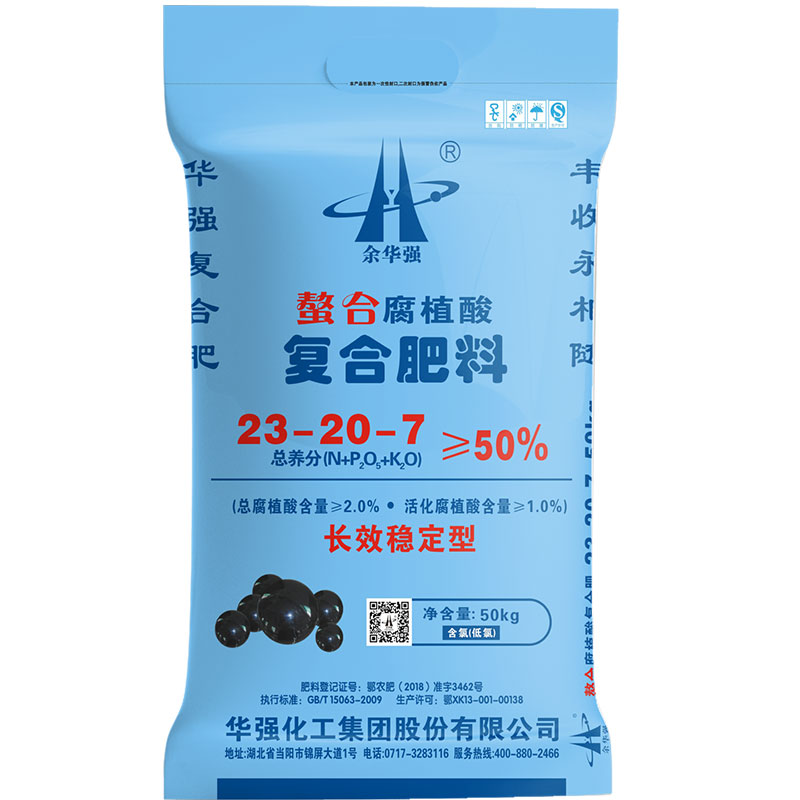
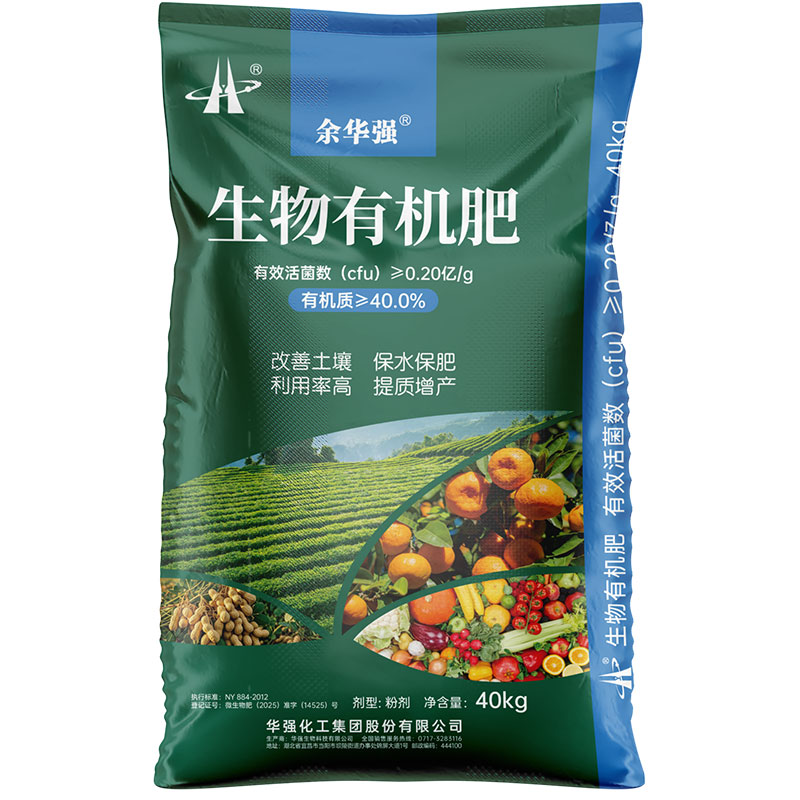
In the world of chemical production, integrity and transparency matter more than any marketing claim. Huaqiang Group has poured decades of effort into every stage of fertilizer manufacturing, never outsourcing the core processes that define quality. It’s easy for outside parties to talk about supply chains or product lines, but only those who actually make the fertilizer understand what it takes to deliver consistent results crop after crop, year after year. We stand on factory floors, not in boardrooms; we hear the machines, smell the raw ingredients, and see the steam rising when granular products cool under our watchful eyes. Every batch comes from our hands, shaped by our own formula development and rigorous quality control. That direct involvement keeps us accountable, and that’s an experience no reseller can duplicate. Some view fertilizer specifications as a set of numbers printed on a bag. In our business, formula means a lot more. Deciding the right nitrogen, phosphorus, and potassium content means tackling unpredictable soil profiles, regional crop demands, regulatory changes, and farmer feedback. We designed Yu Huaqiang formulas to tackle China’s vast rice paddies, its northern wheat fields, and southern fruit orchards, not just as an export afterthought but for real fields, real yields, and genuine stewardship. Our labs track trace elements and micronutrients, fine-tuning ratios to improve plant health over seasons, not just to chase short-term results. Investments in our pilot lines provided a testing ground for new blends; feedback from our own test plots shaped adjustments until we were sure farmers would actually benefit. Without this kind of hands-on formulation work, fertilizers end up as generic products, never really matching what crops demand from the soil beneath them. Every year brings a flood of “new” fertilizer options to the market, but most are just recycled blends dressed up for attention. Our engineers work with growers and agricultural scientists to pinpoint the real specifications that matter for sustainable returns, not just market share. Granule size, solubility, anti-caking treatments, and the behavior of key nutrients in different climates—none of these can be copied from a catalog. Our storage silos hold the raw materials we source ourselves, chosen for reliable purity and minimal contaminants, because every off-spec delivery can mean a whole harvest lost. Supporting food security rests on our team’s ability to keep every specification honest, traceable, and responsive to actual field results, whether that means tweaking a potassium source or overhauling the micronutrient balance after an unexpected drought season. Supplying fertilizer in bulk is not just a matter of running big trucks or stacking pallets two meters high. Logistics matter, but reliability is born at the factory door. Some years, late rains or unexpected export policies squeeze everyone from buyers to producers. Only those with actual manufacturing facilities and control over inventory can step in during shortages or emergencies; the others simply wait and hope. Our warehouse managers track every ton as it moves from processing lines to field delivery. By maintaining direct bulk supply capabilities, Huaqiang Group keeps customers insulated from price gouges and false promises, even in tight markets. We don’t make commitments our reactors can’t fill—we produce, evaluate, and deliver from our own plants, adapting to volume shifts without sacrificing quality or traceability. That kind of security is only possible when your hands are the ones holding the production levers in the first place. Every manufacturer knows the pressures of input price swings, regulatory hurdles, and changing field practices. Yu Huaqiang products keep pace by evolving formulae, not just shaking up packaging. Many of our innovations in nutrient efficiency or slow-release granules come straight from customer conversations, not distant trend reports. When a farming cooperative tells us about changing rainfall patterns or a sudden pest outbreak, we don’t pass the message on to a supplier; we gather our chemists, test new ideas, and adapt the next batch in real time. Production records stay an arm’s reach from the testing lab, so new blends can move from experiment to field trial without bureaucratic slowdown. We’ve kept our approach practical—never chasing a technology for its own sake, but always looking for tools that actually translate into lower runoff or higher yields. Producing fertilizers is a serious responsibility, and it calls for more than meeting regulatory checklists. Factory teams live near the same water tables and breathe the same air as our customers. That has driven us to invest in emission controls, closed-loop water systems, and real-time safety monitoring inside our plants. Every nutrient that leaves our gates stays traceable back to the original lot of raw material. People depend on those controls not only for compliance but for family health. We commit resources every season to train our team—from chemists to shippers—to spot potential hazards before they escalate, and our continuous monitoring leads us to adjust operations quickly if the situation calls. We’ve reduced fertilizer dust by tweaking grinder speeds and have built secondary containment structures for runoff. Our decisions on production methods affect more than the bottom line. They shape the well-being of whole farming communities around us. Farming always faces risk, and that reality shapes every move we make in production. The promise we make with each shipment is not just about the next crop, but about maintaining soil health year after year, and building market trust batch after batch. As China’s agriculture evolves and global food demands climb, scalable, responsible manufacturing answers the call. We don’t just adjust to trends—we work alongside the communities we serve, listening to the fields as much as the science. That commitment anchors every decision that turns raw chemical feedstocks into the branded bags of Yu Huaqiang fertilizer. Real solutions only come from those who keep their hands in the process and their eyes on tomorrow’s results, and our manufacturing teams know this better than anyone. Mobile: +8615380400285E-mail: sales2@liwei-chem.comWebsite: www.huaqiang-group.com
Read MoreYour reliable partner for high-quality chemical solutions.
Get In Touch